Eastham Country Park clean up waste collection case study
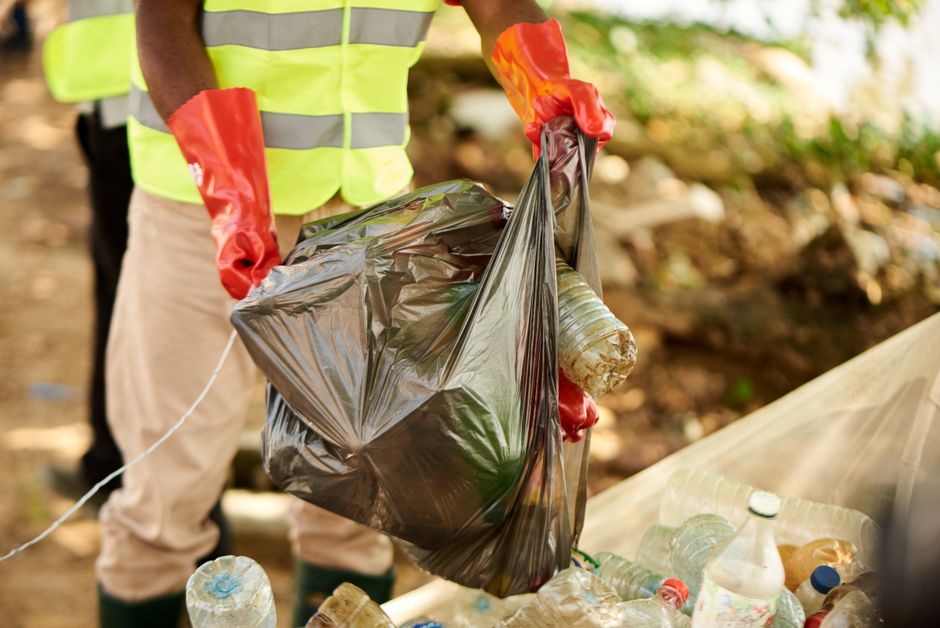
If you are looking into an Eastham Country Park clean up waste collection case study, you are probably after something more useful than a glossy summary. You want to know what actually happens on the ground: how waste is assessed, how it is removed without creating more mess, what can go wrong, and what a sensible clean-up plan looks like when a public green space needs attention. That is what this guide is for.
Country park clean-ups are rarely dramatic, but they are rarely simple either. A muddy verge, fly-tipped bags, windblown litter, broken garden waste, and awkward access points can turn a straightforward collection into a small logistical job. In our experience, the difference between a tidy finish and a frustrating afternoon usually comes down to planning, communication, and having the right waste removal process in place.
This article breaks the topic down in plain English. You will see why the work matters, how a clean-up waste collection typically works, who it helps, what to watch out for, and the best practices that make the result safer, cleaner, and more efficient. No fluff. Just the practical stuff, with a local, real-world feel.
Why Eastham Country Park clean up waste collection case study Matters
A clean-up in a country park is never just about "taking rubbish away". It is about restoring a public space so people can walk, sit, cycle, play, and breathe a bit easier. That may sound obvious, but it matters because outdoor spaces collect waste in messy, uneven ways. Some of it is visible litter. Some of it is hidden in hedgerows, under benches, or tucked beside paths where nobody notices until the pile grows.
For Eastham Country Park, the value of a waste collection case study is that it shows the process in context. Instead of treating waste removal as a generic service, you can see how access, timing, weather, user traffic, and disposal choices all affect the outcome. A park on a busy day feels very different from the same site first thing in the morning, when the air is cool and the paths are still damp. Small details like that change how the job gets done.
This matters for more than appearance. Poorly managed waste can create slipping hazards, block pathways, attract pests, and put pressure on maintenance teams. It can also make the area feel neglected, and once that happens, more litter tends to follow. Truth be told, people behave differently in a place that already looks cared for.
A well-handled clean-up also helps demonstrate good stewardship. That is especially important for public parks, estates, community spaces, and land managed for visitors. If you want a broader sense of how organised clearance work supports different site types, it can help to look at related services such as garden clearance and general waste removal, because the same principles of sorting, loading, and responsible disposal still apply.
How Eastham Country Park clean up waste collection case study Works
A proper clean-up waste collection usually follows a simple but disciplined pattern. The work begins with a site walk-through, then moves into segregation, collection, loading, and disposal. Sounds neat on paper. In reality, it needs judgment at every stage.
First, the team identifies what is actually there. Mixed waste, green waste, broken furniture, bagged litter, or bulky items all need different handling. A park edge with windblown branches and a few abandoned bags is one thing; a mixed pile with packaging, timber, and soil is another. If there are heavy or awkward items, extra care is needed to avoid damage to surfaces and nearby planting.
Then comes the question of access. Can a vehicle get close enough without disturbing walkers or damaging turf? Are there narrow gates, slopes, soft ground, or uneven paths? These are the little hurdles that matter more than they first appear. To be fair, the best clean-up teams spend more time thinking than rushing.
After that, waste is loaded in a controlled way. Reusable or recyclable materials should be separated where possible, and anything contaminated or unsuitable for reuse needs correct disposal. A clean-up team should not just sweep everything into one load and hope for the best. That is the easy mistake. The better approach is tidy, traceable, and practical.
If the site includes planted areas, seasonal growth, or overgrown corners, the collection may overlap with outdoor clearance work. In those cases, services like recycling and sustainability become especially relevant because they support a more responsible end-to-end process rather than a simple dump-and-go approach.
Key Benefits and Practical Advantages
The main benefit is easy to see: a cleaner, safer, more inviting park. But the practical advantages go further than that.
- Better public presentation: Visitors notice clean paths, tidy edges, and clear seating areas almost immediately.
- Reduced safety risks: Loose waste, shattered items, and hidden debris are less likely to cause trips, cuts, or blockages.
- Improved maintenance efficiency: When waste is removed properly, routine upkeep becomes simpler and quicker.
- More reliable recycling outcomes: Sorting materials properly gives recyclable items a better chance of being recovered.
- Lower chance of repeat mess: A site that looks respected is less likely to be treated casually by visitors. Not always, but often enough.
There is also a subtle benefit that gets overlooked. Clean-up work creates a record of action. If a park, estate, or managed green space has a recurring waste problem, documenting what was found and how it was handled helps decision-makers plan better next time. Maybe the issue is overflow at peak times. Maybe it is fly-tipping at a hidden access point. Maybe it is just that bins are badly placed. The case study becomes a practical clue, not just a tidy story.
For teams balancing budgets and expectations, this kind of work can also be easier to justify when there is a clear scope and a visible outcome. If you are comparing clearance options, a good starting point is often a proper review of pricing and quotes so the expected work and the likely cost drivers are understood before anyone starts lifting bags.
Who This Is For and When It Makes Sense
This sort of clean-up is relevant to a surprisingly wide mix of people. It is not only for park managers or local maintenance crews. It can help community groups, landlords, facilities teams, event organisers, and even businesses that border green space and need surrounding waste under control.
It makes sense when the site has become visibly untidy, when litter is affecting public use, or when waste has accumulated after storms, works, seasonal pruning, or heavy footfall. Sometimes the trigger is embarrassingly small: a few scattered bags after a windy weekend. But once rubbish starts catching the eye, the whole space can feel less cared for. Humans do that, don't we?
It also makes sense when a clean-up needs to be handled quickly and without drama. Public spaces often cannot be shut down for long. So the ideal approach is one that works around visitor flow, minimises disruption, and keeps the site usable. That is where practical waste collection planning matters more than a grand theory of site management.
People usually benefit most when they need help with one or more of the following:
- general litter and bagged waste collection
- green waste or branch disposal
- bulky item removal from outdoor spaces
- post-storm or seasonal clearance
- support with mixed waste that cannot be sorted on-site
- a one-off tidy-up before inspections, events, or opening periods
If the waste includes items from nearby properties, sheds, or outbuildings rather than the park itself, related services such as home clearance or house clearance may be a better fit for the source material. The job type matters, and matching the service to the waste stream saves time and avoids muddled expectations.
Step-by-Step Guidance
If you are planning a clean-up waste collection, this is the sequence that tends to work best. It is straightforward, but the order matters.
- Define the problem clearly. Walk the site and note what needs removing. Separate general litter from bulky waste, green waste, and anything potentially hazardous.
- Decide what is included. A tidy path sweep is very different from a full park-edge clearance. Be specific.
- Check access and timing. Think about vehicles, pedestrian use, gates, soft ground, and nearby activities. Early mornings can be helpful, especially if the park gets busy later.
- Sort waste where practical. Recycling, re-use, and landfill-bound material should not all be treated the same. That extra bit of sorting can make a real difference.
- Remove waste carefully. Load systematically to avoid leaving smaller debris behind. It sounds minor, but those tiny scraps are what people notice on a path at 8 a.m.
- Inspect the area again. A second pass catches missed items, broken glass, and tucked-away debris.
- Confirm disposal and documentation. Responsible handling should be part of the job, not an afterthought.
A useful practical tip: if the site is large, divide it into zones. One person or team can focus on entrances, another on seating areas, another on edges and hedging lines. This keeps the work from feeling like a vague wander with bin bags. Nobody enjoys that.
For more complex collections, especially where waste volume or mixed materials are involved, it can help to align the clean-up with a clear removal plan rather than improvising on the day. In those cases, browsing waste removal alongside a site checklist is a sensible next move.
Expert Tips for Better Results
Small details make a big difference in outdoor waste collection. Here are the habits that usually separate a smooth job from a stressful one.
- Start with the worst-affected points. Entrances, benches, and corners near footpaths usually set the tone for the whole site.
- Use the weather to your advantage. Dry conditions make loading cleaner and easier. Wet grass and mud slow everything down.
- Keep fragile or sharp items separate. Broken glass, metal, and jagged plastic should never be mixed casually with soft waste.
- Think about wildlife and planting. Bags left too long can attract animals or hide damage to shrubs and borders.
- Leave no "last pile". Half-finished clean-ups look worse than you might expect. Finish one area properly before moving on.
One little thing we have learned over time: communicate the end point clearly. Is the task to make the park presentable for the day, or to restore it to a higher standard over several visits? That question sounds simple, but it saves confusion. It also stops people assuming a quick tidy-up is the same as a full clearance. It is not.
If the clean-up includes old seating, worn outdoor furniture, or discarded items from adjacent grounds, look at furniture clearance and furniture disposal for the right approach to bulky items. You do not want a broken bench treated like a pile of leaves. That would be, frankly, a bit daft.
Common Mistakes to Avoid
The most common mistakes in clean-up waste collection are not dramatic. They are usually the ordinary, avoidable ones.
- Underestimating access issues: A site can look simple from the edge and still be awkward once a vehicle or trolley gets involved.
- Mixing all waste together: This reduces recycling potential and can complicate disposal.
- Forgetting hidden spots: Fence lines, shrub bases, and low walls often collect more waste than the open path.
- Leaving sharp or heavy objects for later: Later often becomes never. Better to deal with them first.
- Skipping a final sweep: The last look is what catches the tiny bits people remember.
Another common problem is vague planning. "Just clear the park" is not a workable brief. Which section? Which type of waste? What is priority? How quickly does it need to be done? The more specific the plan, the better the result.
And yes, sometimes people forget the boring part: disposal arrangements. Collection is only half the job. If waste leaves the site but has nowhere sensible to go, the whole exercise becomes shaky. That is why linked planning, such as checking insurance and safety and health and safety policy details where appropriate, matters more than people expect.
Tools, Resources and Recommendations
A good clean-up does not require a mountain of kit, but it does need the right basics. The list below is simple, and honestly, simple is usually enough.
- heavy-duty waste sacks
- gloves suitable for general outdoor waste handling
- litter pickers or grab tools
- bins or containers for sorting materials
- warning signs or cones where foot traffic needs rerouting
- trolleys or loading aids for heavier items
- basic site notes for recording what was removed
For bigger or messier jobs, a methodical plan is more useful than fancy equipment. The right gear helps, of course, but clear sequencing matters more. If you have ever watched a team chase debris uphill in a light breeze, you will know exactly what I mean.
Useful resources for planning include a written site scope, a waste type list, and a disposal checklist. If the collection is part of a wider clearance effort, you may also want to review services like garage clearance or loft clearance if the source of waste extends beyond the park environment. Those spaces often produce mixed materials that need a careful hand.
Law, Compliance, Standards, or Best Practice
Because waste collection can touch on safety, environmental responsibility, and duty of care, it is wise to work within accepted UK best practice. You do not need to turn the job into a legal seminar, but you do need a sensible standard of care.
In plain terms, that means waste should be handled responsibly, stored safely before removal, and disposed of through proper channels. Mixed loads should be treated with extra caution, particularly if there may be sharp objects, contaminated material, or items that require special handling. Public spaces also need careful attention to access and pedestrian safety while work is underway.
Good practice usually includes the following:
- clear identification of waste types before collection
- safe manual handling methods for bulky or awkward items
- careful separation of reusable or recyclable material where practical
- site controls to protect visitors and workers
- evidence that waste is removed and processed appropriately
Where a site is publicly accessible, it is also sensible to think about nuisance control and tidy working methods. Nobody wants bags dragged across a wet path or debris left to blow across an open area. It sounds obvious, but these are the things that keep a clean-up professional rather than careless.
If you need a service partner with a clear operational focus, the pages on about us and recycling and sustainability are useful starting points for understanding the wider approach to responsible removal.
Options, Methods, or Comparison Table
Different waste collection methods suit different situations. A quick tidy on a small site is not the same as a full clearance after a major seasonal build-up. Here is a simple comparison that may help.
| Method | Best for | Strengths | Limitations |
|---|---|---|---|
| Manual litter picking | Light surface litter, pathways, small public areas | Low disturbance, precise, good for finishing work | Slow for bulky or heavy waste |
| Bag-and-load collection | Mixed loose waste and moderate volumes | Flexible, straightforward, quick to organise | Less efficient if waste is very mixed or awkward |
| Bulky waste removal | Broken furniture, timber, larger dumped items | Best for heavy objects and clear site restoration | Needs better access planning and handling care |
| Combined clearance and sorting | Sites with mixed waste streams and recycling potential | More responsible, often better value in the long run | Requires more coordination up front |
The right choice depends on the goal. If the aim is a clean public-facing finish before visitors arrive, a targeted manual and bagged collection may be enough. If the site has been neglected or used as an informal dumping point, a broader clearance approach is usually more realistic. That is where judgement counts more than a one-size-fits-all answer.
Case Study or Real-World Example
Here is a practical example based on the sort of situation that often comes up in a country park setting.
After a windy weekend, a park edge had collected a mix of litter, torn sacks, twigs, and a few bulky items left beside a path. The area was not disastrous, but it looked untidy enough to distract from the rest of the site. Visitors were already walking through early in the morning, and the maintenance team wanted the area safe and presentable before the busier part of the day.
The clean-up began with a short site walk to identify where waste had gathered. The team split the area into three zones: entrance path, seating area, and the less visible boundary edge. Smaller waste was bagged first so it would not get kicked around or blown into planting beds. Bulky items were handled separately so they could be loaded without damaging turf or blocking access.
Midway through, the team found a patch of hidden debris tucked behind low shrubs. That is fairly typical. From the main path, it looked fine. Up close, not so much. A second sweep caught the missed items, and the final result was neat, safe, and calm-looking rather than just "better than before".
The useful lesson here is not that the task was complicated. It was that the process was deliberate. No rushing. No assuming the first pass was enough. No pretending one bag sweep solves everything. The finished space felt cared for, which is often what people respond to most.
That sort of outcome is exactly why a well-planned waste collection case study matters. It gives you a clear picture of what success looks like in the real world, not just in a brochure.
Practical Checklist
Use this checklist before starting a country park clean-up waste collection:
- walk the site and note the main waste types
- identify access points, vehicle limits, and pedestrian routes
- separate litter, green waste, bulky items, and any sharp objects
- decide what can be recycled or reused
- confirm who is responsible for collection and disposal
- set a safe working sequence for the team
- protect visitors with sensible on-site controls
- allow time for a second inspection after removal
- confirm the area is left tidy, clear, and safe
- record any repeat problem spots for future attention
It is a simple list, but it catches the common gaps. And those gaps are what usually create the headaches later on.
Conclusion
An Eastham Country Park clean up waste collection case study is most useful when it shows how a careful, well-sequenced approach turns a messy outdoor problem into a clean, usable, more welcoming space. The best results usually come from clear planning, sensible sorting, safe handling, and a final check that nothing obvious has been missed.
If you are responsible for a park, green space, estate boundary, or similar outdoor area, the main lesson is simple: do the basics properly, and the whole place feels better. Visitors notice. Staff notice. And frankly, you notice too when the morning air is fresh and the paths look clear instead of cluttered.
For broader removal support, it may help to review services such as business waste removal, builders waste clearance, or office clearance if your waste problem stretches beyond the park itself. Matching the service to the actual waste stream is where sensible decisions start.
Get a free quote today and see how much you can save.
Frequently Asked Questions
What does an Eastham Country Park clean up waste collection case study usually cover?
It usually covers the type of waste found, how the site was assessed, what collection method was used, how safety was managed, and what the final result looked like. The best case studies explain the process clearly rather than just saying the site was cleaned.
Why is a case study better than a simple service description?
A case study shows how the service works in a real setting. That helps you understand access issues, timing, waste sorting, and practical outcomes. It is more useful than a generic promise because it shows how the work behaves on an actual site.
What kinds of waste are common in country park clean-ups?
Common items include litter, bagged rubbish, branches, leaves, packaging, broken outdoor furniture, and mixed debris near paths or boundaries. Some jobs also involve heavier or awkward items that need separate handling.
How do you decide whether waste should be recycled or just removed?
That depends on the material and condition of the waste. Clean, recoverable materials can often be separated, while contaminated or mixed items may need different handling. Good practice is to sort where it is practical and safe to do so.
Is a country park clean-up the same as garden clearance?
Not exactly. Garden clearance usually focuses on domestic or private outdoor spaces, while a country park clean-up often involves public access, larger walking routes, and different site controls. The principles overlap, but the setting changes the approach.
How long does a waste collection clean-up usually take?
It depends on the size of the site, the volume of waste, and how easy the access is. A small tidy-up may be quick, while a larger mixed-waste collection can take much longer. The safest answer is that timing should be based on a proper site assessment.
What are the main safety risks during outdoor waste collection?
The main risks are slips, trips, sharp objects, heavy lifting, and poor access around visitors or vehicles. Wet ground, uneven paths, and hidden debris can make those risks worse, so a site should be checked carefully before work begins.
Can bulky items be removed during the same clean-up?
Yes, if access, loading, and handling are planned properly. Bulky items are often best kept separate from lighter litter so they can be managed more safely and efficiently. That saves time and reduces the chance of missed debris.
What makes a clean-up look truly finished?
A finished clean-up is not just about removing the obvious waste. It also means checking edges, corners, and tucked-away spots, then doing a final sweep for smaller bits. That second look is often what makes the space feel properly restored.
Do I need to think about compliance for a simple park tidy-up?
Yes, at least at a basic level. Waste should be handled responsibly, workers should be protected, and the site should be left safe for the public. You do not need to overcomplicate it, but you should not improvise either.
What if the waste problem keeps coming back?
Then the clean-up is only part of the answer. You may need to look at access points, bin placement, visitor behaviour, or recurring dumping spots. A good case study helps you spot patterns, which is often where the real fix begins.
How do I choose the right waste removal provider for this kind of job?
Look for a team that explains its process clearly, handles waste responsibly, and understands the practical side of outdoor collections. It also helps if they are transparent about safety, disposal, and costs. If the explanation feels vague, that is usually a warning sign.