Garden clearance in East Ham

Garden clearance in East Ham should leave outdoor spaces ready for the next stage of use, whether that means a tidy family garden, a rental property turnaround or a larger one-off clearance after seasonal growth has taken over. We clear green waste, broken garden materials and mixed outdoor clutter with a practical approach that keeps the work focused on what needs removing and what can be retained. The result is a cleaner, more usable space without unnecessary disruption.
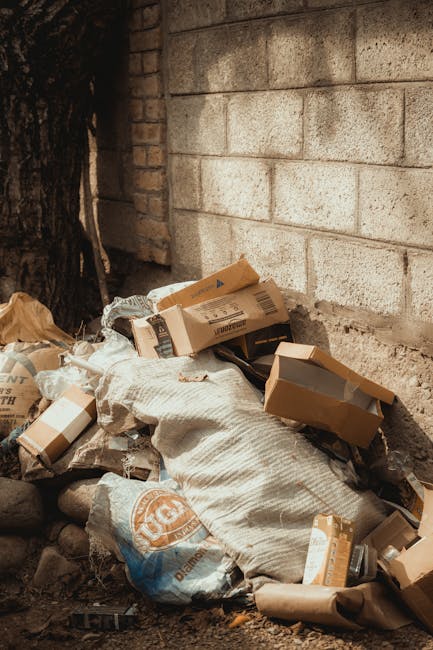
Our service is suited to gardens that have collected pruned branches, old plant pots, collapsed sheds, damaged fencing offcuts, soil bags and other outdoor waste that no longer serves a purpose. We separate likely recyclable material where possible and remove items in a way that supports sensible disposal. If you need a more detailed overview of what can be included, the garden clearance page gives a straightforward outline of the service.
Because outdoor spaces vary so much, the work can range from a light seasonal tidy to a fuller clearance involving multiple waste types. You may want the area cleared before landscaping, planting, lawn treatment or simply to recover space that has become difficult to maintain. If you are comparing service options, a clear written pricing and quotes page can help you prepare the right information for a quotation request.
What we remove from gardens
Garden clearances often involve more than a simple load of cuttings. We regularly deal with mixed materials such as broken trellis, rotted timber, old compost sacks, weathered containers, damaged ornaments and discarded outdoor household items that have been left at the edge of the garden. The job is to remove the unwanted material cleanly while keeping the remaining space organised and workable. When items are bulky or awkward, careful handling matters just as much as speed.
Some customers need the whole area cleared back to a blank slate, while others only want certain sections dealt with. A sensible approach is to identify what must stay, what should go and which materials need extra care because they are heavy, fragile or mixed with soil and debris. For other household spaces that need a fuller sort-out, our home clearance service covers indoor items with the same practical, no-nonsense style.
Common outdoor items we can help remove include:
- branches, hedge cuttings and grass waste
- broken plant pots, trays and garden containers
- old sleepers, timber offcuts and fencing pieces
- unused compost, bagged soil and turf remnants
- general garden clutter gathered after a long period of disuse
Clearance for front gardens, back gardens and shared spaces

Not every garden clearance looks the same. A front garden may need access kept open and the remaining features left undisturbed, while a back garden might include narrow paths, side access or heavier items tucked behind sheds and planters. Shared spaces bring their own considerations too, especially where bins, communal plantings or boundary items need to be left in place. We keep the removal plan matched to the layout so the job is carried out tidily and with as little fuss as possible.
For people dealing with garages, sheds or similar outside storage areas, it can be useful to separate garden waste from stored household items before work begins. That makes it easier to decide what belongs in the clearance and what should stay. If the outdoor area is only one part of a broader sort-out, our garage clearance page shows how we handle mixed stored items in a similarly practical way.
In more involved jobs, the aim is often to restore access as much as to remove waste. Clearing pathways, steps and side returns can improve the overall usability of the property, particularly when overgrowth or clutter has limited movement. We work methodically so that awkward corners, low walls and tight access points are dealt with without turning the whole process into a rush.
Seasonal growth, overgrowth and one-off tidy-ups
Many garden clearances happen after a long stretch without maintenance, when leaves, cuttings and general debris have built up beyond what a routine tidy will handle. In these cases, the work may involve cutting back accumulated waste, moving loose material from borders and gathering together anything that has been pushed into corners over time. The job is less about redesign and more about restoring order so the garden can be managed again.
Seasonal work often follows a predictable pattern. Spring and early summer can produce fast regrowth, while autumn usually brings heavier leaf fall and a larger amount of organic waste. A one-off clearance may be enough to reset the space before regular upkeep resumes. If you are looking for outdoor waste removal as part of a wider disposal plan, our waste removal page explains the broader service structure.
Useful preparation is simple: keep aside any items you want to retain, and note anything that is hidden behind plant growth or stacked with other materials. If access is awkward or the garden contains delicate features, that is worth mentioning when requesting a quotation. Two clear photographs and a brief description are often enough to help us understand the size and type of clearance required.
Outdoor waste, recycling and sensible disposal

Good garden clearance is not only about taking material away. It is also about sorting what can be handled responsibly. Green waste, timber, metal fixtures and mixed outdoor materials often need different treatment, so a careful clearance process helps avoid unnecessary waste. Where practical, we separate reusable or recyclable material from general rubbish and keep the load organised from the start rather than leaving sorting until the end.
Customers often ask how mixed outdoor waste is dealt with when a garden contains both natural and man-made materials. The answer depends on the make-up of the load, because damp soil, plant matter and broken fixtures do not all behave the same way once collected. Our recycling and sustainability page outlines the thinking behind material handling and disposal choices in more detail.
Garden items that are often suitable for careful sorting include metal edging, intact timber lengths, plastic planters, non-hazardous ornaments and some types of packaging or empty bags. A thoughtful clearance keeps the site neater, reduces avoidable waste and makes the remaining garden easier to assess. That matters when the next step is planting, levelling or simply making the space safer to use.
How quotations for garden clearance are worked out
Garden clearance quotations usually depend on the amount and type of waste, access to the property and any extra effort needed to move material from the garden to the collection point. Heavier loads, wet soil, long carry distances and awkward access all influence the time and handling required. A simple clearance with easy access will naturally be different from a larger overgrown garden with mixed debris, broken outdoor fixtures and several separate piles to sort.
If you want a clearer picture before arranging work, our pricing and quotes page is the best place to start. It can help you think through the basic details that matter most, such as the type of waste, the approximate volume and whether the clearance is part of a larger project. This keeps the quotation process focused and avoids unnecessary back-and-forth.
For a useful enquiry, it helps to note whether the waste is loose or bagged, whether there are steps or narrow gates and whether any items need to be carried through the property. You do not need a perfect inventory, but a realistic description helps the quotation reflect the work properly. If you prefer to discuss related indoor items at the same time, our contact us page is the place to send the details for a tailored response.
Garden clearance for homes, landlords and empty properties
Clearances are often requested by homeowners, landlords and agents who need the garden made tidy before a sale, letting change or renovation. In these situations the outdoor space may be one part of a larger property reset, and the work needs to be handled in a way that leaves the area presentable for the next stage. We can remove accumulated garden waste and unwanted outdoor items without turning the job into an overcomplicated project.
Where properties have been empty for a while, gardens can become difficult to assess because overgrowth hides what is actually there. The aim is to clear the visible waste first, then work through the remaining material in a sensible order so the outdoor area becomes manageable again. If the property needs a fuller reset across both outside and inside spaces, our house clearance service may also be relevant.
Before a quotation, it is useful to check whether any access routes are blocked by locked gates, stored items or dense planting. A short note about the condition of the garden and what should remain in place is often enough. If the job is straightforward, a quick description may be all that is needed; if it is more complex, a few photographs can save time and improve accuracy.
About East Ham
East Ham is an area in the London Borough of Newham, in East London, with a long history shaped by suburban growth, transport links and the changing character of the capital’s eastern districts. Historically part of Essex, it developed from a village and rural parish into a much denser urban district during the nineteenth and twentieth centuries, especially as the railways encouraged residential expansion. The area is today closely associated with layered streets of terraced housing, shopping parades and local civic buildings that reflect different periods of development. One of the best-known historic structures nearby is East Ham Town Hall, a striking early twentieth-century building on Barking Road that has long been part of the district’s public identity. The area also includes green spaces such as Central Park and Plashet Park, which provide important open ground within a heavily built-up part of east London. Its high streets and side roads show a mix of everyday commerce and residential life, while the surrounding borough context connects it to wider Newham landmarks, transport routes and redevelopment areas. East Ham’s position within London means it sits within a busy urban landscape, yet it still retains a recognisable local centre and neighbourhood feel, with architecture and public space that reveal how the district has changed over time. Those older patterns remain visible in the street layout, while later building and public investment have added newer layers to the area’s character. The result is a place with a practical, lived-in quality, shaped by both historical continuity and ongoing change.
Garden clearance for overgrown plots and neglected corners
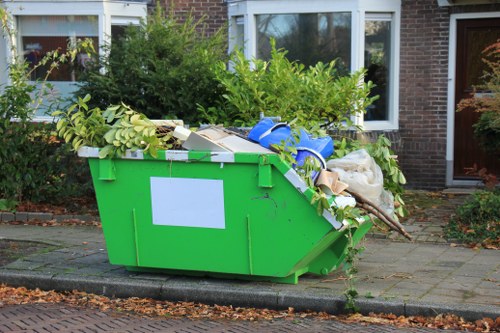
Some gardens are not just untidy; they have become difficult to navigate because growth has taken over paths, edges and borders. In those cases, a clearance is about bringing structure back into the space. We remove the debris that has gathered around beds, near fences and beside sheds, then work through the remaining waste in a steady order so the area is left usable rather than merely moved around. The emphasis is on practical recovery, not cosmetic overstatement.
Overgrown gardens can contain a surprising mix of material. Alongside cuttings and leaves, there may be damaged fixtures, forgotten buckets, broken panels, loose stones or garden furniture that has weathered beyond use. Some of these items are easy to overlook until the surrounding vegetation is reduced. If you are also dealing with internal clutter from the same property, the flat clearance page may be helpful for understanding how other parts of a clearance can be approached.
Useful decisions are usually about priority. If access paths must be reopened first, we tackle those areas before moving to less urgent sections. If a boundary line needs to be cleared so that maintenance can continue safely, that may become the first focus. Each garden has its own pattern of neglect, and the best clearance follows that pattern rather than forcing everything into a single rigid process.
Handling mixed outdoor items with care
Garden waste is rarely uniform. A single clearance might include soft green cuttings, hard timber, metal fittings, broken ceramics and general outdoor rubbish all in one space. That mixture affects how the work is organised and how the material is handled. Heavier or sharper items need more care, while loose organic waste can often be gathered efficiently once the area has been opened up. The point is to keep the process controlled from start to finish.
Some customers are unsure whether a particular item counts as garden waste or general household rubbish. The simplest answer is that if it is stored outdoors and tied to the condition of the garden, it can usually be assessed as part of the clearance. For larger household collections that include furniture or other domestic items, our furniture clearance page shows how mixed domestic items can be dealt with alongside other waste.
We work with a clear aim: remove the unwanted material, leave the garden as tidy as possible and make sure the remaining space is easier to manage. That approach is especially useful where the garden is being prepared for further work such as replanting, boundary repairs or general maintenance. A careful clearance helps the next stage start from a cleaner baseline.
Requesting a quotation for garden clearance

When you ask for a quotation, it helps to describe the garden in plain terms: roughly how full it is, what kinds of items are present and whether access is straightforward or restricted. This gives a better starting point than simply saying the area needs a tidy-up. If there are bulky items, heavy soil, multiple loads or mixed waste types, mention those details so the quotation can reflect the real work involved.
It is also useful to say whether the clearance is a one-off job or part of a larger project such as landscaping, letting preparation or the clearing of an unused property. That context helps us understand the scope without needing unnecessary detail. For a broader view of related disposal work, the business waste removal page can be useful where the property or outdoor area forms part of a commercial setting.
To get started, send a concise description and, if helpful, a couple of photos showing the main problem areas. We welcome enquiries from anyone needing garden clearance in East Ham, and we will use the information provided to prepare a practical quotation. If you are ready to move ahead, get in touch today and ask for a quote.